Echtlederwaren im Test
How durable is real leather?
Genuine leather is one of the most durable and long-lasting materials when it comes to manufacturing accessories and clothing. With proper leather care, genuine leather goods become lifelong companions and can even be passed down from generation to generation as products with emotional value. Early in its development, humankind learned to preserve animal hides. This allowed them to use this fascinating and versatile material for protection and warmth.
How durable is leather?
Among the various types of leather, there are clear differences in terms of their resistance. Generally, smooth leathers are more robust than suedes. Suedes include all genuine leathers with a ground, velvety surface. Due to their roughened surface, so-called full-grain leather and split leather are more sensitive to environmental influences such as moisture or dust and therefore require particularly intensive care and good impregnation. It should be noted that smooth leather and suede require different care products.

FROM HIDE TO LEATHER
To understand the properties of genuine leather, it helps to take a closer look at the origin and production of the natural product: Genuine leather is an organic product and is usually made from the skin of cattle, calves, goats, lambs, pigs, deer or horses. Most of these animal skins come from "waste products" of the food industry.
The surface of smooth leather consists of fine, firm skin fibers. Since the animal's fur was on this side of the leather, it is also called leather grain. Due to the characteristic structure of the leather surface, the so-called " grain ", it is also referred to as the "grain side" of the leather. It is considered the highest quality layer of the leather and is the reason why smooth leather is particularly tear-resistant and less sensitive to dirt and moisture.
Rough leather is divided into nubuck leather and suede leather . When producing nubuck leather, the grain side of the leather is roughened, creating a velvety surface. Suede leather is made from the "flesh split" of the leather.
THE QUALITY OF REAL LEATHER: A SMALL GLOSSARY
QUALITY MAKES THE DIFFERENCE
Regardless of the type of leather, the quality of the leather also makes a decisive difference. Split leather, for example, is not as durable in use as full-grain leather. Therefore, when it comes to the durability of genuine leather goods, it is always worth taking a closer look.
Full-grain leather
Full-grain leather is professionally referred to as "full grain leather." This term marks the highest quality of leather. In this case, the leather comes from the uppermost part of the hide, directly beneath the animal's fur: the grain side or hair side. This layer has the highest tissue density and can absorb nourishing oils and fats particularly well, making it exceptionally elastic and durable.
The surface of full-grain leather has not been sanded down; it is therefore complete and intact. The natural grain of the genuine leather is preserved.
Since only limited parts of the hide can be processed into full-grain leather, this robust and high-quality genuine leather is relatively expensive to produce. Full-grain leather products are therefore particularly valuable, but also very durable and can last for decades with proper care.
Echtes Leder
Literally translated, the term "Genuine Leather" means "real leather," giving the impression that it is a particularly high-quality genuine leather product. In reality, however, the exact opposite is true: this leather is also called split leather and is a waste product from the manufacture of high-quality leather goods. The grain side is "split off" from the flesh side. The upper, dense layer of skin becomes high-quality full-grain leather. The lower layer is processed into genuine leather, for example, suede or split leather with a PU coating. Its structure has a lower density and is therefore less robust.
Top-grain leather
The next rank in the leather hierarchy is Top Grain leather. Here, the grain side of the genuine leather is lightly sanded, creating a velvety feel and a uniform surface. However, this type of processing causes the leather to lose some stability. Top Grain leather goods are still very high quality, but they are somewhat less robust and more susceptible to dirt than genuine leather goods made from Full Grain leather.

FURTHER QUALITY FACTORS FOR THE ROBUSTNESS OF GENUINE LEATHER GOODS
In addition to the question of how each layer of leather was processed, other factors also influence the quality of the leather. These include, for example, the age, sex, diet, and husbandry of the animal, as well as the climate in which the animal lived. The different types of tanning also play a significant role in the leather's resistance.
Influence of Age
Just like human skin, animal skin increasingly loses its elasticity with age. Therefore, genuine leather goods made from the hides of younger animals are of higher quality and more robust than those from older animals.
Influence of Gender
The hide of male animals and of female animals that have not yet been pregnant generally has a denser fiber structure and a finer grain. As a result, genuine leather goods made from male hides are often more robust.
Impact of Livestock Farming
The question of where and how the animal lived also plays a role in the later quality of the leather. Leather from animals raised on pasture is more robust and of higher quality, as this type of husbandry positively affects the structure of the animal hide.
Influence of Diet
Just as our diet has a crucial influence on the appearance of our skin, healthy food also affects the quality of leather. The healthier and more balanced the animal's diet, the higher the quality of the leather will be later.
Influence of the animal's life history
It is probably not surprising that the skin of female animals that have given birth to many offspring shows less elasticity and resilience. However, sexual activity also affects the stability of the fiber structure in males: Castrated oxen tend to have a finer skin structure than breeding bulls.
Impact of Climate
A harsh climate is not only beneficial for the quality of wool fibers. A cold climate also has positive effects on skin quality.
PROPER CARE
Just like human skin, leather can absorb nourishing fats and oils well. Proper care helps keep genuine leather goods robust and maintain their elasticity and resilience.
It is therefore worthwhile to invest in quality leather and care for it regularly. Genuine leather goods made of high-quality leather, properly cared for and waterproofed, are extremely durable and can last for decades, acquiring a patina that enhances their beauty rather than detracting from it.
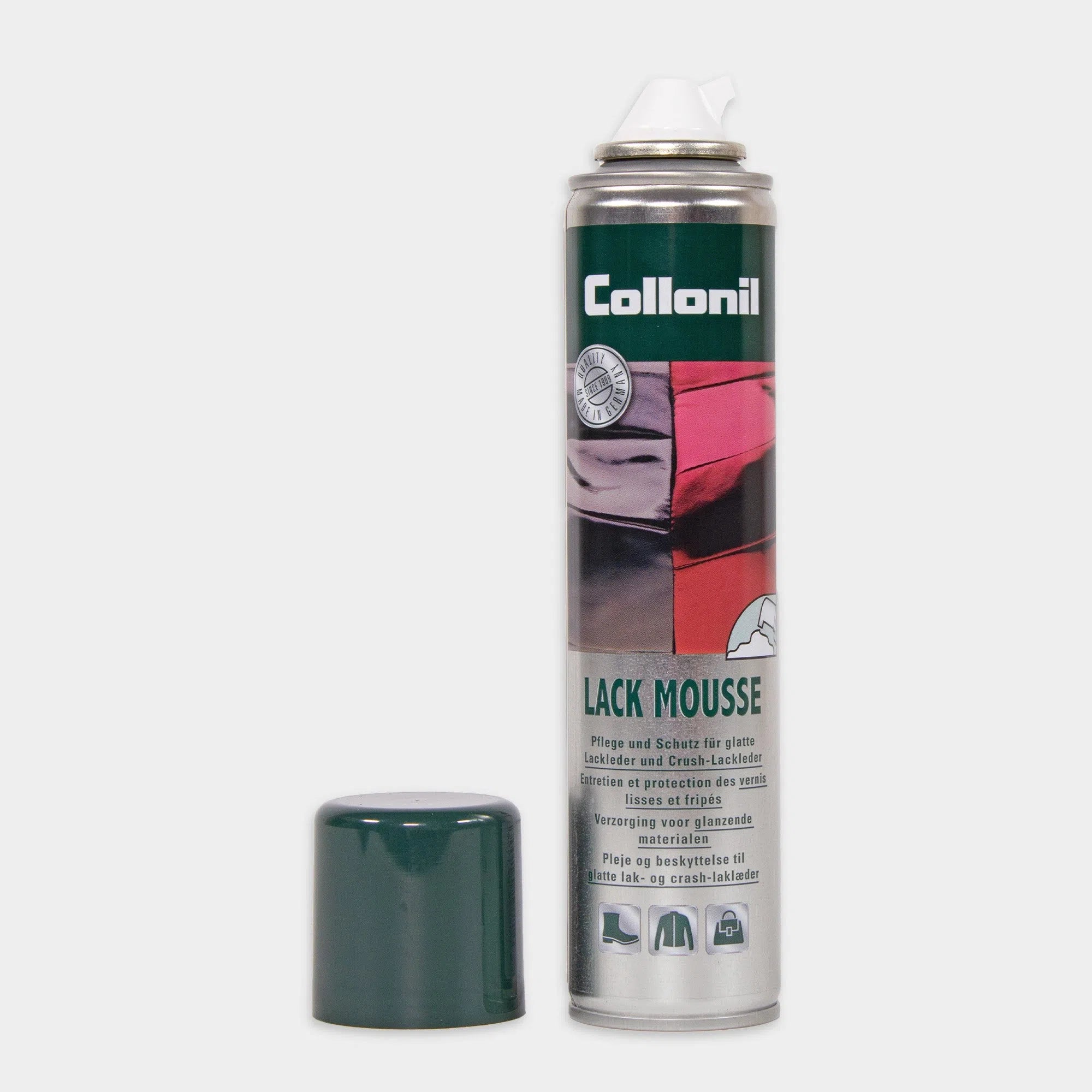
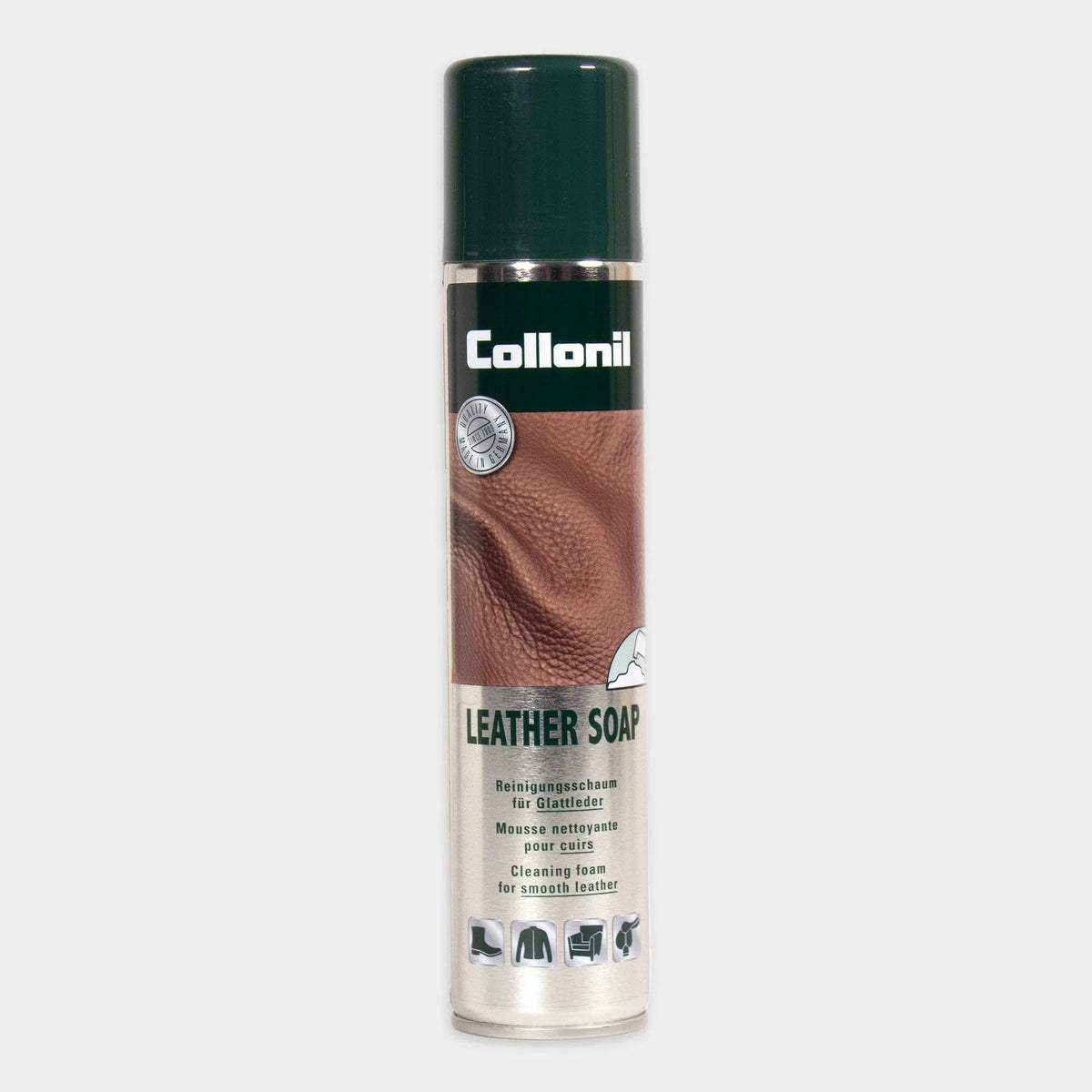
care products